RALLY STAGE FORMAT
Define stage parameters. Calculate timing protocols. Understand start order mechanics. Identify checkpoint locations. Decode official result notation systems precisely.
WHAT IS A RALLY STAGE?
A rally stage is a closed section of road. Traffic is suspended. Competitors race against the clock. Surfaces vary. Asphalt demands precise racing lines. Gravel requires controlled slides. Snow introduces extreme variables. Stage distance ranges from 2km to 50km. Short stages are often Super Specials. Long stages test vehicle endurance and crew focus.
STAGE NUMBERING
Stages are numbered sequentially. They are prefixed with 'SS' for Special Stage. SS1 is the first competitive sector. Stages are often repeated. A piece of road may be SS2 in the morning and SS5 in the afternoon. The physical route is identical. The road conditions, however, change drastically between passes.
STAGE DISTANCE
Distance defines the challenge. Shorter stages amplify small errors. A one-second mistake drops you five positions. Longer stages reward tire management. Pushing too hard early destroys the rubber. The final ten kilometers become a survival test. Total competitive distance for a European event usually exceeds 300 kilometers.
TIMING PROTOCOLS
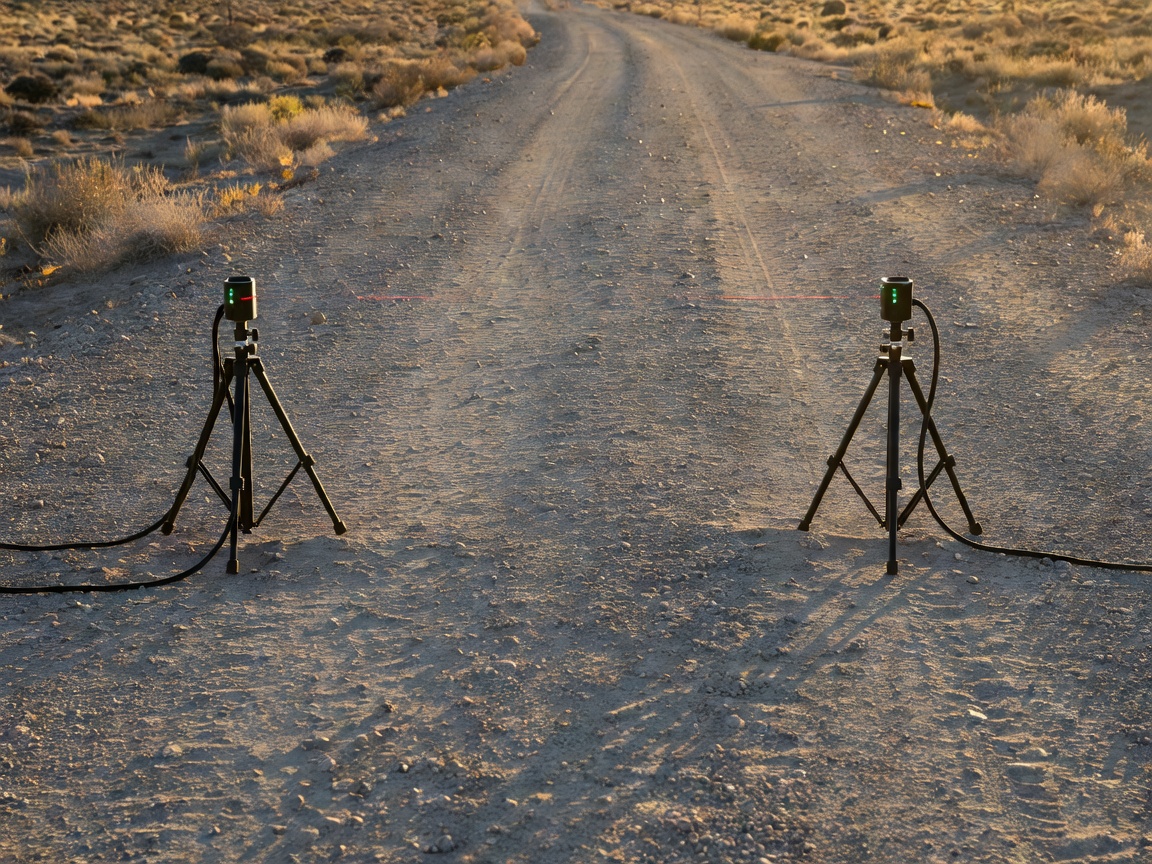
Timing is electronic and absolute. The start line features a photocell beam. A clock counts down. The car launches. The flying finish features another photocell beam. Breaking the finish beam stops the clock. Timing resolution operates at one-tenth of a second. Manual stopwatches serve only as backup systems.
START ORDER MECHANICS
Start order impacts road conditions heavily. On gravel, early cars sweep loose stones. Sweeping slows the car. Later cars find a cleaner line. Clean lines increase grip. On asphalt, early cars cut corners. Cutting drags mud onto the road. Mud reduces grip. Later cars face dirty surfaces. Start order dictates race strategy.
CHECKPOINTS AND CONTROLS
Checkpoints manage stage entry and exit. The Time Control (TC) dictates arrival time. The Start Line initiates competition. The Flying Finish stops the clock. The Stop Control enforces deceleration. Crews must stop at the Stop Control to have their time officially recorded on their physical time card. Missing the Stop Control incurs penalties.
SPLIT INFORMATION
Long stages feature intermediate timing points. These are split times. Splits provide mid-stage performance data. They indicate if a driver is gaining or losing time. They highlight puncture locations. If Split 1 is fast but Split 2 is slow, an issue occurred in that sector. Splits drive broadcast narratives.
CLASSIFICATION AND NOTATION
Result notations use standard abbreviations. 'O/A' means Overall. 'CLS' means Class. 'DNF' means Did Not Finish. 'DNS' means Did Not Start. Penalties are denoted with a 'P'. Understanding these tags is required for reading timing monitors. Clean notation ensures data is parsed quickly by engineers.
CUMULATIVE CLASSIFICATION
Cumulative time aggregates every completed stage. It incorporates all liaison penalties. It incorporates all stage penalties. The crew with the lowest cumulative time leads. The system continuously recalculates after every stage finish. Math dictates the victor. Emotion dictates the driving.
RETIREMENTS
Retirements disrupt the format. A crashed car may block the road. The stage becomes impassable. Officials throw red flags. Remaining cars transit the stage non-competitively. They receive a derived notional time. This preserves fairness. The format must adapt to physical reality.
GOOD FOR
- Understanding how a stage is timed.
- Reading split times correctly.
- Identifying why start order matters.
- Decoding official timing sheets.
WHAT TO KNOW
- Timing is resolved to the tenth of a second.
- Stop Controls are mandatory administrative points.
- Road sweeping drastically affects gravel stage times.
- Notional times are assigned when stages are blocked.
FORMAT EXAMPLE
Example of stage control flow: